
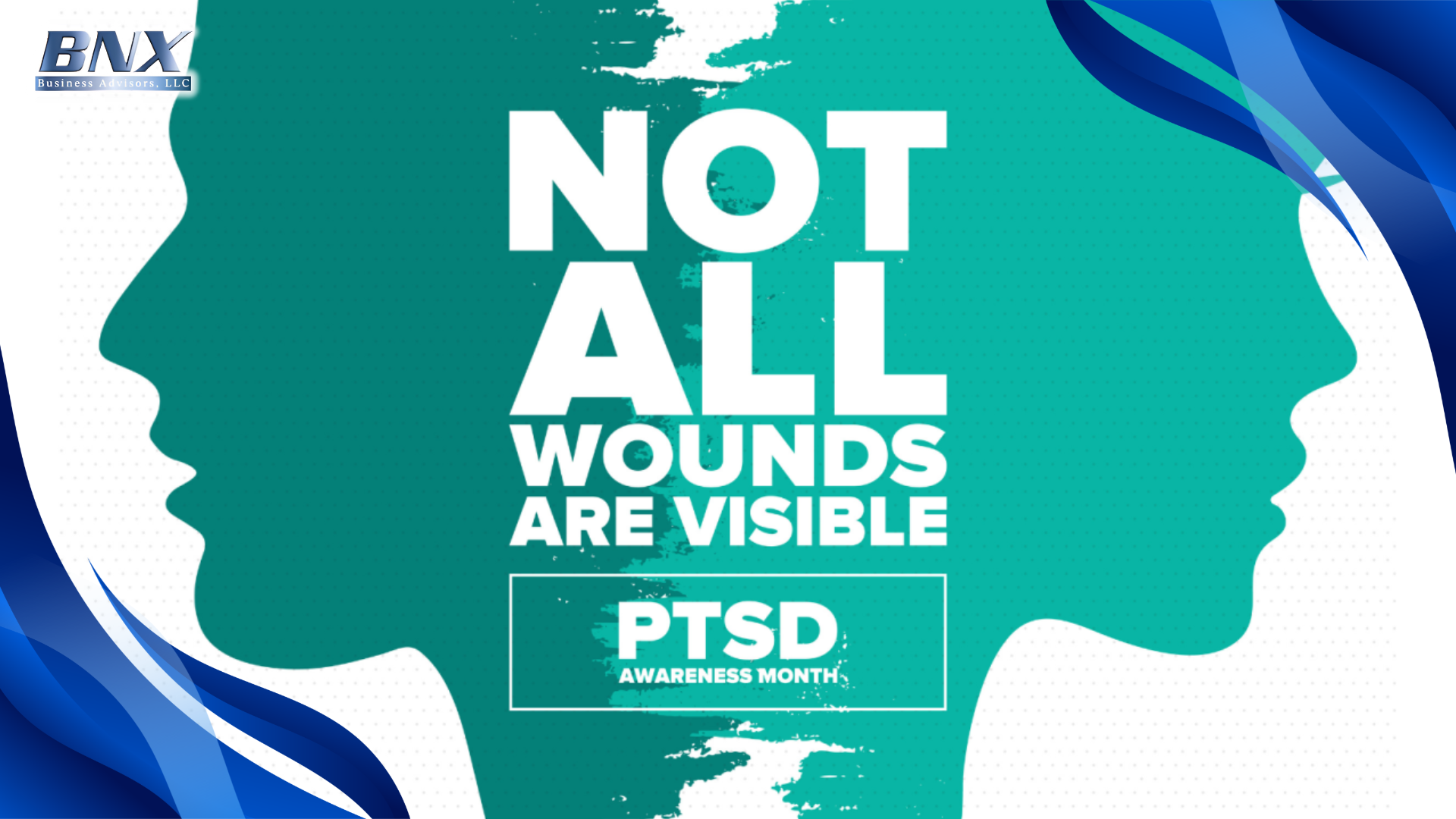
ADA PTSD Accommodations can be challenging for employers to navigate. Learn common compliance mistakes, accommodation best practices, supervisor responsibilities, and practical ways to support employees while reducing legal and operational risk.
ADA PTSD Accommodations Are About Process, Not Assumptions
ADA PTSD Accommodations are one of the areas where employers often have the best intentions and the greatest uncertainty.
Leaders want to support employees.
Supervisors want to be compassionate.
Human Resources wants to remain compliant.
Yet many organizations struggle with questions such as:
- What qualifies as an accommodation request?
- What should supervisors say?
- What should supervisors avoid saying?
- What documentation is appropriate?
- When should HR become involved?
The challenge is understandable.
Mental health related accommodations can be more complex than accommodations involving visible physical conditions because limitations may not be immediately apparent.
However, the principles remain the same.
Employers should focus on:
- Consistency
- Respect
- Documentation
- Process
- Compliance
Not assumptions.
Not diagnoses.
And not personal opinions.
This topic requires sensitivity because trauma can affect anyone.
While PTSD is frequently associated with military service, trauma may result from many experiences, including:
- Serious accidents
- Medical emergencies
- Violence
- Natural disasters
- Workplace incidents
- Domestic violence
- Community violence
- Childhood trauma
- Loss of loved ones
- Other distressing life events
Not everyone who experiences trauma develops PTSD.
Not everyone who experiences PTSD requires workplace accommodations.
And employers should never attempt to diagnose employees or speculate about medical conditions.
This article is intended for educational purposes only and should not be considered legal or medical advice. Organizations should consult qualified legal counsel regarding specific compliance obligations.
At BNX Business Advisors, we help employers build workplace systems that support employees while protecting organizational integrity, compliance, and operational effectiveness.
Why ADA PTSD Accommodations Matter More Than Ever
Workplace mental health conversations continue evolving.
Organizations increasingly recognize that employee wellbeing influences:
- Retention
- Engagement
- Productivity
- Culture
- Performance
At the same time, employers face growing expectations regarding:
- Accommodation processes
- Supervisor training
- Documentation practices
- Employee relations
Organizations that understand accommodation obligations are often better positioned to:
- Reduce legal risk
- Improve employee trust
- Strengthen workplace culture
The goal is not special treatment.
The goal is fair treatment through established processes.
Understanding ADA PTSD Accommodations
The Americans with Disabilities Act may require employers to provide reasonable accommodations for qualified employees with disabilities unless doing so would create an undue hardship.
The accommodation process focuses on:
- Job related limitations
- Workplace needs
- Practical solutions
Not labels.
Not assumptions.
And not personal judgments.
The Job Accommodation Network and the Office of Disability Employment Policy have highlighted examples of workplace accommodations that may help employees with mental health conditions perform their jobs effectively.
The appropriate accommodation depends entirely on the individual situation.
This is why process matters so much.
Why Employers Often Get ADA PTSD Accommodations Wrong
Most compliance mistakes do not occur because employers intend to violate the law.
Most occur because:
- Managers lack training
- Processes are unclear
- Documentation is inconsistent
- Leaders try to solve problems independently
Good intentions do not replace good systems.
6 Dangerous Employer Mistakes That Turn Support Into Liability
Mistake 1: Failing to Recognize Informal Accommodation Requests
Not Every Request Uses Legal Language
One of the most common mistakes employers make is waiting for employees to use specific terminology.
Employees rarely walk into a manager’s office and say:
“I am formally requesting an ADA accommodation.”
Instead, employees may say:
- “I’m having difficulty concentrating.”
- “I’m struggling with this environment.”
- “I need some flexibility.”
- “I’m having a hard time managing this situation.”
These conversations may signal a need for further review.
Managers do not need to determine whether an accommodation is required.
They do need to recognize when HR should become involved.
Why This Creates Risk
When accommodation conversations are overlooked, organizations may unintentionally delay important processes.
Delays often create avoidable compliance concerns.
BNX helps organizations train managers to identify accommodation conversations appropriately without requiring supervisors to become legal experts.
Mistake 2: Asking Inappropriate Medical Questions
Curiosity Can Create Liability
Managers naturally want to understand situations.
However, good intentions can sometimes lead to inappropriate questions.
Examples include:
- “What exactly happened to you?”
- “How severe is your condition?”
- “Tell me everything about your diagnosis.”
These questions may create unnecessary risk.
Focus on Workplace Impact
Leaders should focus on:
- Job related challenges
- Workplace needs
- Available processes
Not medical investigations.
HR and legal counsel should guide discussions involving medical documentation.
Mistake 3: Delaying the Interactive Process
Time Matters
Once an accommodation issue is identified, organizations should respond appropriately.
One of the most common mistakes is delay.
Delays often occur because:
- Managers are unsure what to do
- Responsibilities are unclear
- Communication breaks down
The interactive process works best when organizations act consistently and promptly.
Why Delays Are Costly
Delays may contribute to:
- Employee frustration
- Reduced trust
- Increased compliance exposure
Organizations benefit from clearly defined workflows.
Mistake 4: Treating PTSD Differently Than Physical Conditions
Invisible Does Not Mean Less Real
Many employers have well established procedures for physical accommodations.
However, uncertainty sometimes arises when accommodations involve conditions that are not visible.
Consistency is essential.
The accommodation process should focus on:
- Functional limitations
- Job requirements
- Reasonable solutions
Not whether a condition can be seen.
Why Consistency Matters
Employees notice when organizations apply standards inconsistently.
Consistency strengthens trust and compliance.
Mistake 5: Failing to Train Supervisors
Managers Are Often the First Point of Contact
Supervisors frequently receive accommodation related information before HR.
Without training, managers may:
- Ignore requests
- Delay action
- Ask inappropriate questions
Training helps supervisors understand:
- What to do
- What not to do
- When to involve HR
Leadership Readiness Improves Outcomes
Organizations that invest in supervisor training often experience:
- Better consistency
- Stronger compliance
- Improved employee experience
BNX provides supervisor training that strengthens accommodation awareness and leadership confidence.
Mistake 6: Poor Documentation Practices
Documentation Protects Everyone
Accommodation related documentation should be:
- Accurate
- Consistent
- Professional
Documentation should focus on:
- Requests
- Conversations
- Actions taken
It should avoid speculation, assumptions, or diagnoses.
Why Documentation Matters
Strong documentation supports:
- Accountability
- Compliance
- Organizational learning
Poor documentation creates unnecessary risk.
Why ADA PTSD Accommodations Require Strong Systems
Accommodation requests are not isolated events.
They depend on systems including:
- Policies
- Workflows
- Training
- Documentation
Organizations that rely solely on individual manager judgment often experience inconsistent outcomes.
Strong systems create consistency.
Consistency reduces risk.
Examples of Accommodation Related Considerations
Accommodation discussions vary by situation.
Potential workplace adjustments may involve:
- Scheduling flexibility
- Modified communication methods
- Workspace adjustments
- Temporary workplace modifications
Every situation is unique.
Employers should evaluate requests through established processes rather than assumptions.
The Connection Between Accommodations and Employee Retention
Employees are more likely to remain with organizations when they believe:
- Concerns will be handled professionally
- Requests will be reviewed fairly
- Leadership will respond consistently
Retention often improves when employees trust organizational processes.
Why Respectful Workplace Cultures Matter
Accommodation processes function best within respectful workplace cultures.
Employees are more likely to communicate concerns when workplaces emphasize:
- Dignity
- Respect
- Communication
- Accountability
Culture influences whether employees feel comfortable seeking support.
How Managers Should Respond When Performance and Mental Health Concerns Intersect
Performance management remains important.
Accommodation discussions do not eliminate performance expectations.
Managers should:
- Address performance concerns appropriately
- Follow policy
- Document consistently
- Involve HR when necessary
Strong organizations balance accountability with support.
These goals are not mutually exclusive.
Why Leadership Development Is Part of ADA Compliance
Many accommodation challenges begin with leadership uncertainty.
Leaders need skills related to:
- Difficult conversations
- Documentation
- Communication
- Employee relations
Leadership development strengthens organizational readiness.
How BNX Helps Organizations Build Effective ADA Systems
BNX Business Advisors helps organizations create practical accommodation systems that support employees while reducing risk.
Our services include:
- ADA Training
- HR Compliance Consulting
- Accommodation Workflow Design
- Supervisor Training
- Policy Review
- Documentation System Development
- Employee Relations Consulting
- Workplace Culture Assessments
We help organizations move from reactive responses to proactive preparedness.
Why This Matters for the Future of Work
Employee expectations continue evolving.
Organizations that build strong accommodation processes often strengthen:
- Trust
- Retention
- Engagement
- Compliance
Effective accommodation systems benefit employees and employers alike.
Final Thoughts
ADA PTSD Accommodations are not about lowering standards.
They are not about making assumptions.
And they are not about treating employees differently.
They are about following consistent processes that support employees while protecting organizational integrity.
Organizations that train supervisors, strengthen documentation practices, improve accommodation workflows, and invest in leadership development are better positioned to create workplaces that are both supportive and compliant.
The most effective employers understand that compassion and accountability can coexist.
And strong systems make both possible.
If your organization wants to strengthen accommodation processes, improve supervisor readiness, develop documentation systems, and reduce compliance risk, BNX can help.
Visit www.bnxba.com to learn more about our ADA Training, HR Compliance Consulting, Accommodation Workflow Design, Supervisor Training, Policy Review, and Documentation System Development services.
FAQs
What are ADA PTSD Accommodations?
ADA PTSD Accommodations refer to workplace accommodations that may be considered through established ADA processes when employees have qualifying limitations related to PTSD or other covered conditions.
Does PTSD only affect veterans?
No. Trauma can result from many experiences including accidents, medical events, violence, disasters, workplace incidents, grief, and other traumatic events.
Do employees need to use legal terminology to request accommodations?
Not necessarily. Accommodation conversations may begin through ordinary workplace discussions about job related difficulties or support needs.
Should supervisors ask detailed medical questions?
Supervisors should generally focus on workplace needs and follow organizational procedures rather than conducting medical inquiries.
Why is documentation important?
Documentation helps organizations maintain consistency, accountability, and compliance throughout accommodation processes.
How can BNX help?
BNX provides ADA Training, HR Compliance Consulting, Accommodation Workflow Design, Supervisor Training, Policy Review, Documentation Systems, and Employee Relations Consulting to help organizations create effective and compliant workplace practices.